

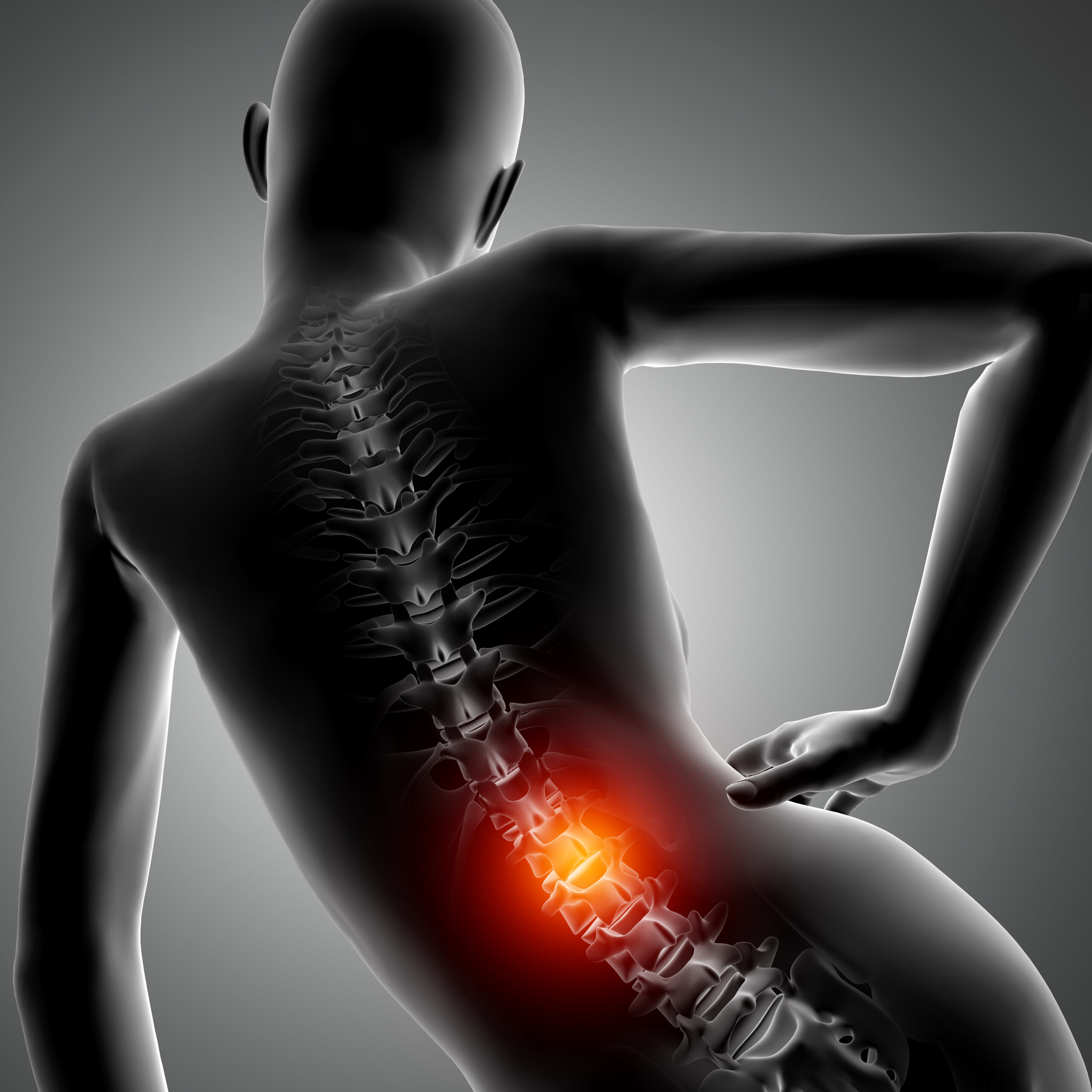
Kyphoplasty
Kyphoplasty is a minimally invasive procedure to treat compression fractures in the spine. These tiny fractures often happen in weakened vertebrae and can cause severe back pain and a hunched posture.
Read more →Below is a collection of grouped procedure pages, organized by specialty. Each page provides a detailed explanation of a specific procedure — including what it treats, how it’s performed, recovery expectations, and whether it’s surgical or non-surgical. These resources are designed to help patients better understand their treatment options, make informed decisions, and feel more confident about their care journey.
Minimally-invasive procedures that target the source of chronic pain — designed to give you relief and restore your mobility without major surgery.
Kyphoplasty is a minimally invasive procedure to treat compression fractures in the spine. These tiny fractures often happen in weakened vertebrae and can cause severe back pain and a hunched posture.
Read more →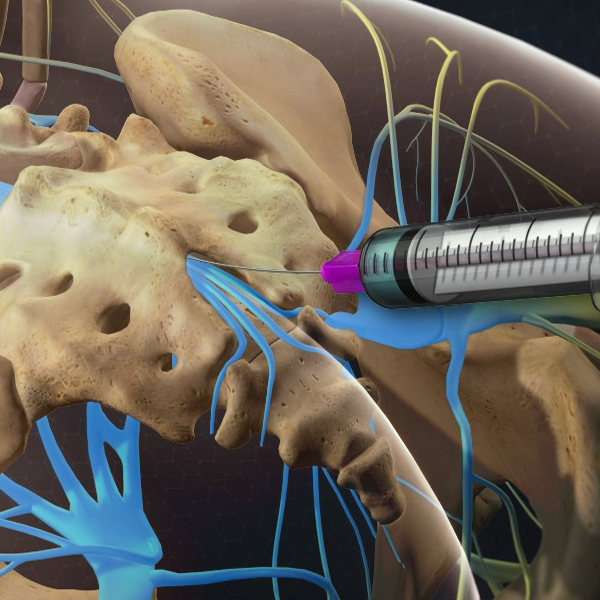
An Epidural Steroid Injection is a common pain management procedure where a mixture of a corticosteroid (anti-inflammatory medicine) and anesthetic is delivered to reduce nerve inflammation.
Read more →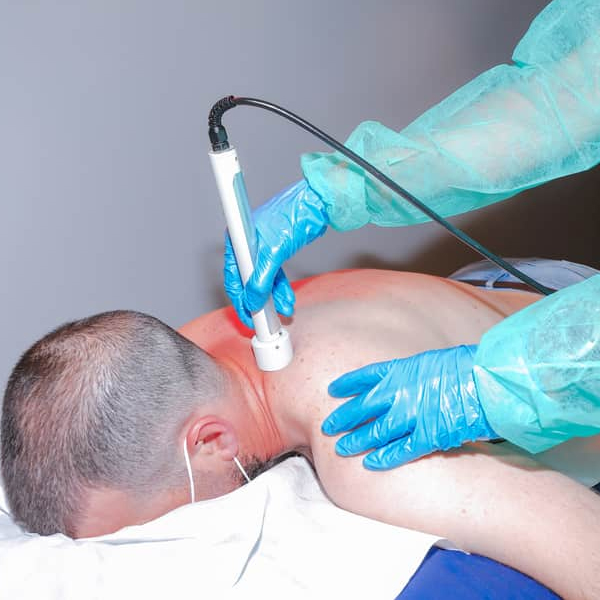
Often used for pain management, this minimally invasive procedure uses heat generated by radio wave energy to disable specific nerves from transmitting pain signals.
Read more →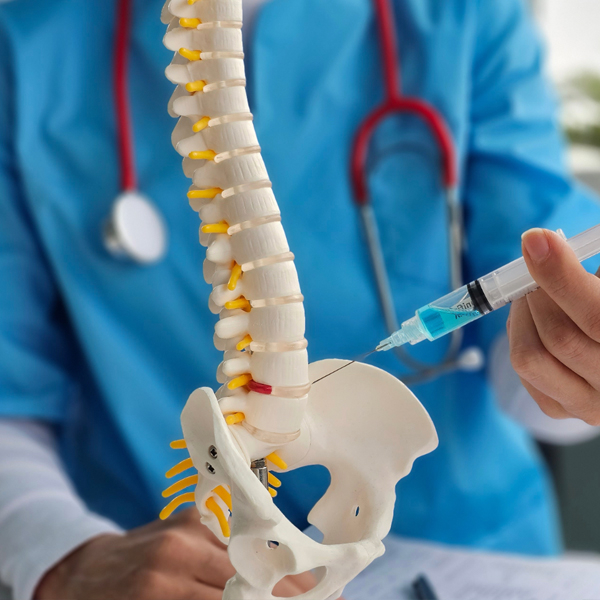
An anesthetic — often combined with an anti-inflammatory like a steroid — is injected around or near a specific nerve or group of nerves to block pain signals from traveling to the brain.
Read more →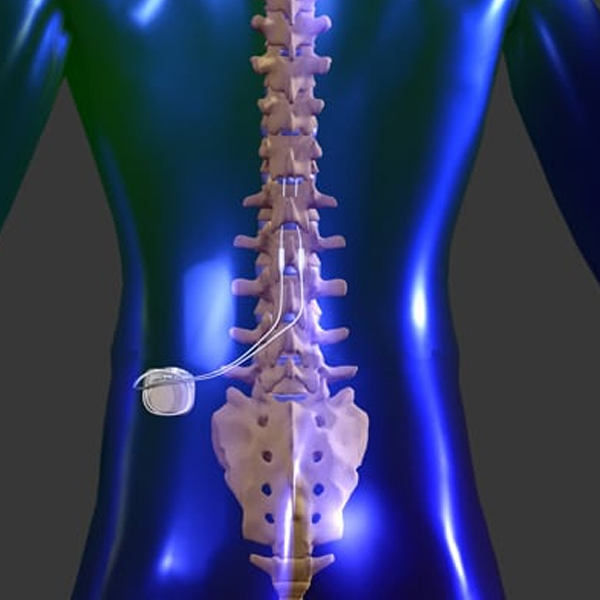
A Spinal Cord Stimulator is an implanted medical device that uses mild electrical pulses to interrupt pain signals along the spinal cord, offering long-term relief from chronic pain.
Read more →
Medication delivered directly into a joint space to relieve pain and inflammation. The most common type is a corticosteroid injection, often combined with a bit of anesthetic.
Read more →Advanced surgical procedures for the brain, spine, and nerves — performed by board-certified neurosurgeons focused on precision, safety, and your full recovery.
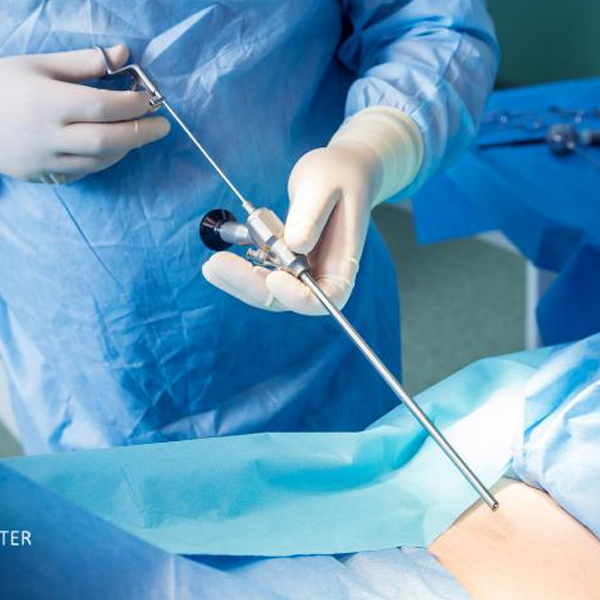
A surgical procedure to remove part of a damaged intervertebral disc that’s pressing on a nerve or the spinal cord — typically a herniated portion of a disc causing nerve compression.
Read more →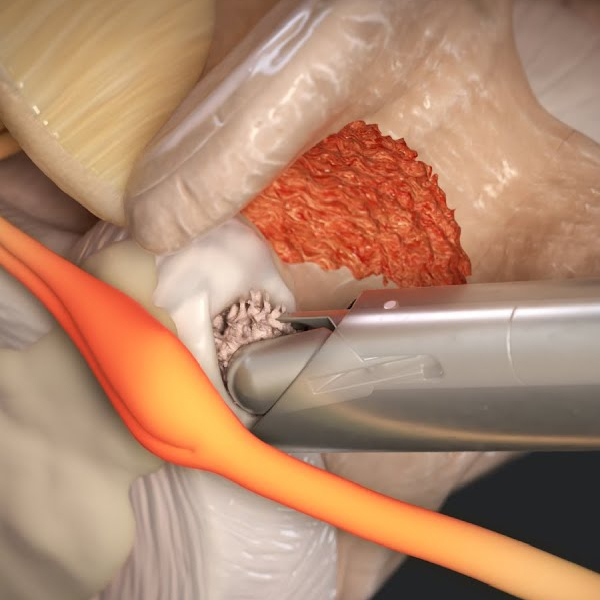
A spinal decompression surgery in which the lamina (the back portion of a vertebra) is removed to relieve pressure on the spinal cord or nerves caused by injury, herniated disc, or spinal stenosis.
Read more →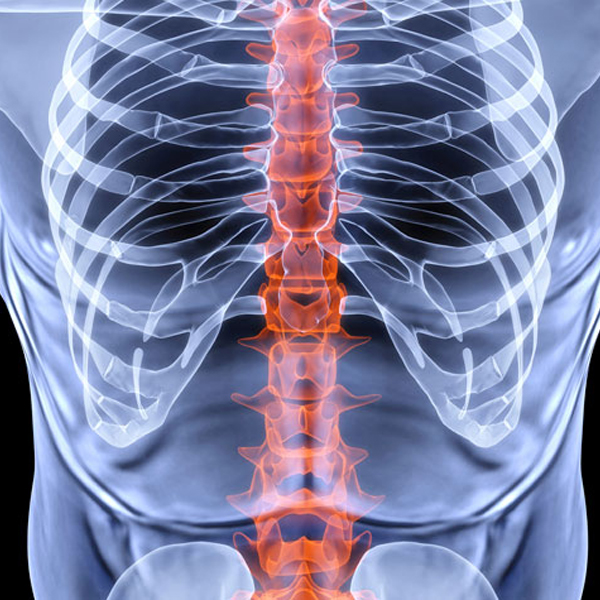
A surgery designed to permanently join two or more vertebrae together using bone graft and hardware that holds the spine in the correct position while the bone heals.
Read more →
Surgical removal of a tumor from the brain or spinal area, with the goal of taking out as much of the abnormal growth as safely possible — including brain tumor and spinal tumor resection.
Read more →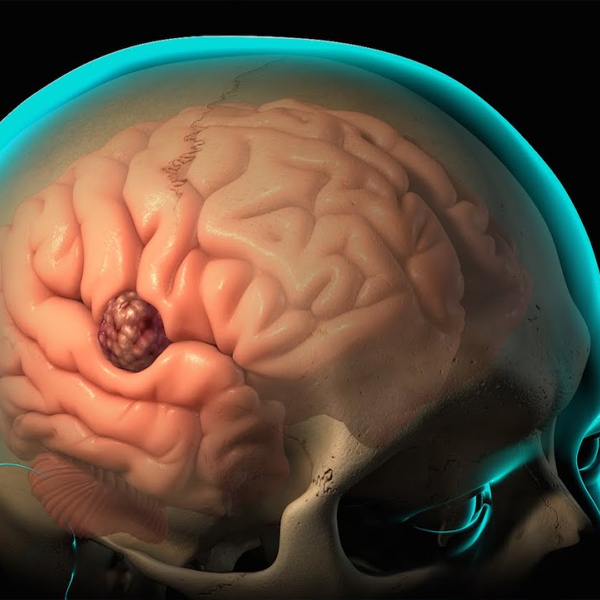
A surgical procedure in which a bone flap is temporarily removed to access the brain — allowing the neurosurgeon to remove a tumor, clip an aneurysm, or treat other brain conditions.
Read more →
Book your assessment today and take the first step toward healing. Same-week appointments and 24–48 hours for urgent cases.
Personalized treatment plans tailored by our team of specialists — coordinated across specialties so your care is unified, not fragmented.
No referral is needed — you can contact us directly to schedule an appointment with any of our specialists. We welcome new patients, whether you have a doctor’s referral or not.
We offer prompt appointments because we know your health can’t wait. In urgent cases (such as acute injuries or severe pain), we strive to get you in within 24–48 hours. Just give us a call and we’ll accommodate you as soon as possible.
No — you don’t need an appointment to be seen at OneTreeHealth. We take walk-ins daily. If you’d prefer a set time, you’re always welcome to call ahead and book one.
Bring a referral letter (if your insurance requires one), your driver’s license or a valid ID, your insurance information, copies of any results — X-rays, MRIs, CT scans — and a list of your current medications. We also recommend writing down any questions beforehand so nothing slips your mind during the visit.
Have more questions about appointments, treatments, recovery, and more?
See the full FAQWhether you need to address chronic pain, get a second opinion on surgery, or seek care after an accident — our friendly staff will guide you through the process.
Book Appointment