Email Addresshello@onetreehealth.com
Office Working TimeMonday–Friday | 8AM–5PM
Contact Number(615) 696-9900
Orthopedic Surgery

Get back to moving, pain-free.

Life is motion. Our orthopedic team treats injuries and disorders of the bones, joints, muscles, and ligaments — whether you’re a weekend warrior with a sports injury or someone dealing with arthritis. Latest treatments, caring touch, conservative first when possible.

+ Sports Injuries + ACL Repair + Rotator Cuff + Fractures + Joint Replacement
Why Choose Us

Orthopedic care that keeps you in motion.

From minimally invasive arthroscopy to complex reconstruction — our team coordinates surgery, pain management, and physical therapy under one roof for the fastest, smoothest recovery.

Conservative first

We always consider non-surgical options first — physical therapy, medications, injections. Many patients improve without surgery. If you do need an operation, you’re in capable hands.

Minimally invasive techniques

Arthroscopy for many joint repairs — tiny incisions, less pain, faster recovery. Outpatient procedures mean you go home the same day for most surgeries.

Coordinated rehab team

Our surgeons, pain specialists, and physical therapists work together — from injury through rehabilitation. One team, one plan, one place. Faster recovery, less juggling.

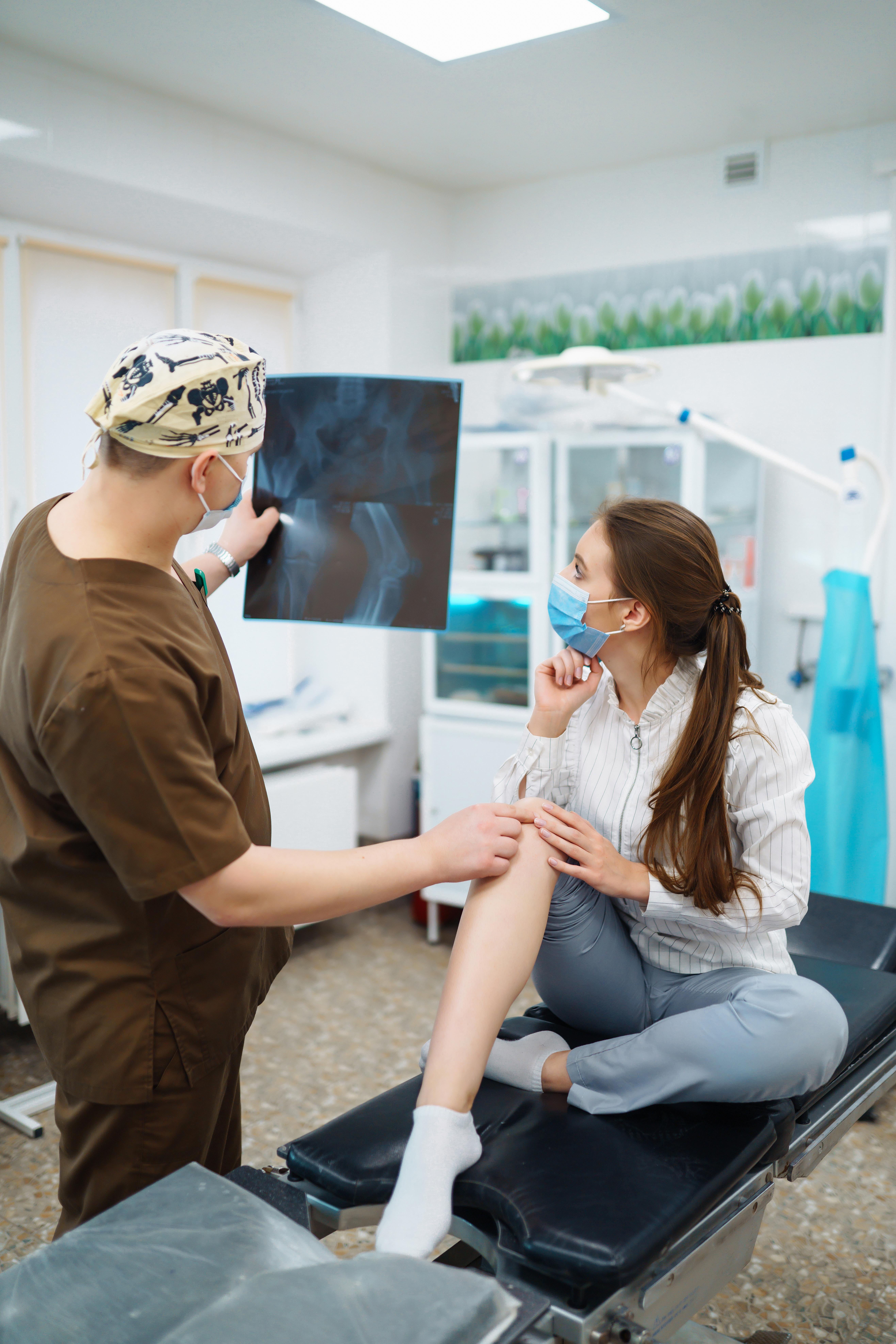
A OneTreeHealth orthopedic surgeon reviewing a patient X-ray
About Our Orthopedic Care

Skilled in arthroscopy and complex reconstruction.

Our orthopedic surgeons are skilled in both minimally invasive techniques and complex surgical reconstructions, so we can tailor the solution to the severity of your condition. We always consider conservative treatments first — physical therapy, medications, or injections — and many of our patients improve without surgery.

But if you do need an operation, rest assured you’re in capable hands. We prioritize techniques that minimize incision size, reduce pain, and speed up recovery — like arthroscopy for many joint repairs. We’ll walk you through the entire process: what the surgery entails, how to prepare, and what recovery will look like.

At OneTreeHealth, orthopedic care is a team effort — our surgeons, pain specialists, and physical therapists coordinate closely to ensure comprehensive care from injury through rehabilitation.

Book an Appointment

Conditions We Treat

If it involves bones, joints, or movement.

Our Orthopedic Surgery department handles a wide array of musculoskeletal issues — from sports injuries to chronic arthritis.

Sports Injuries

ACL tears, rotator cuff tears, meniscus injuries, Achilles ruptures, sprains and strains — we evaluate and manage to get you safely back to your sport.

Joint Pain & Arthritis

Chronic knee, hip, or shoulder pain from osteoarthritis — non-surgical solutions first, with arthroscopy or joint replacement when needed.

Fractures (Broken Bones)

Upper and lower extremity fractures — casting, bracing, or surgical ORIF with plates, screws, rods, or pins to realign and stabilize.

Shoulder Conditions

Rotator cuff tears, impingement, dislocations, labrum tears (SLAP), and shoulder arthritis — arthroscopic repair or shoulder replacement.

Knee Conditions

ACL injuries, meniscus tears, cartilage defects, patella problems, and arthritis — arthroscopy, ACL reconstruction, or knee replacement.

Hip Conditions

Hip labral tears, impingement (FAI), arthritis, and hip fractures — arthroscopic hip surgery, partial or total hip replacement as appropriate.

Hand, Wrist & Elbow

Carpal tunnel syndrome, trigger fingers, wrist fractures, tennis elbow — many treated outpatient with quick recovery times.

Foot & Ankle Care

Ankle sprains and fractures, Achilles tendon injuries, plantar fasciitis, and bunions — from plates and screws to tendon repairs.

Procedures & Treatments

From arthroscopy to joint replacement.

Here are the key orthopedic procedures and treatments we provide — minimally invasive whenever the condition allows.

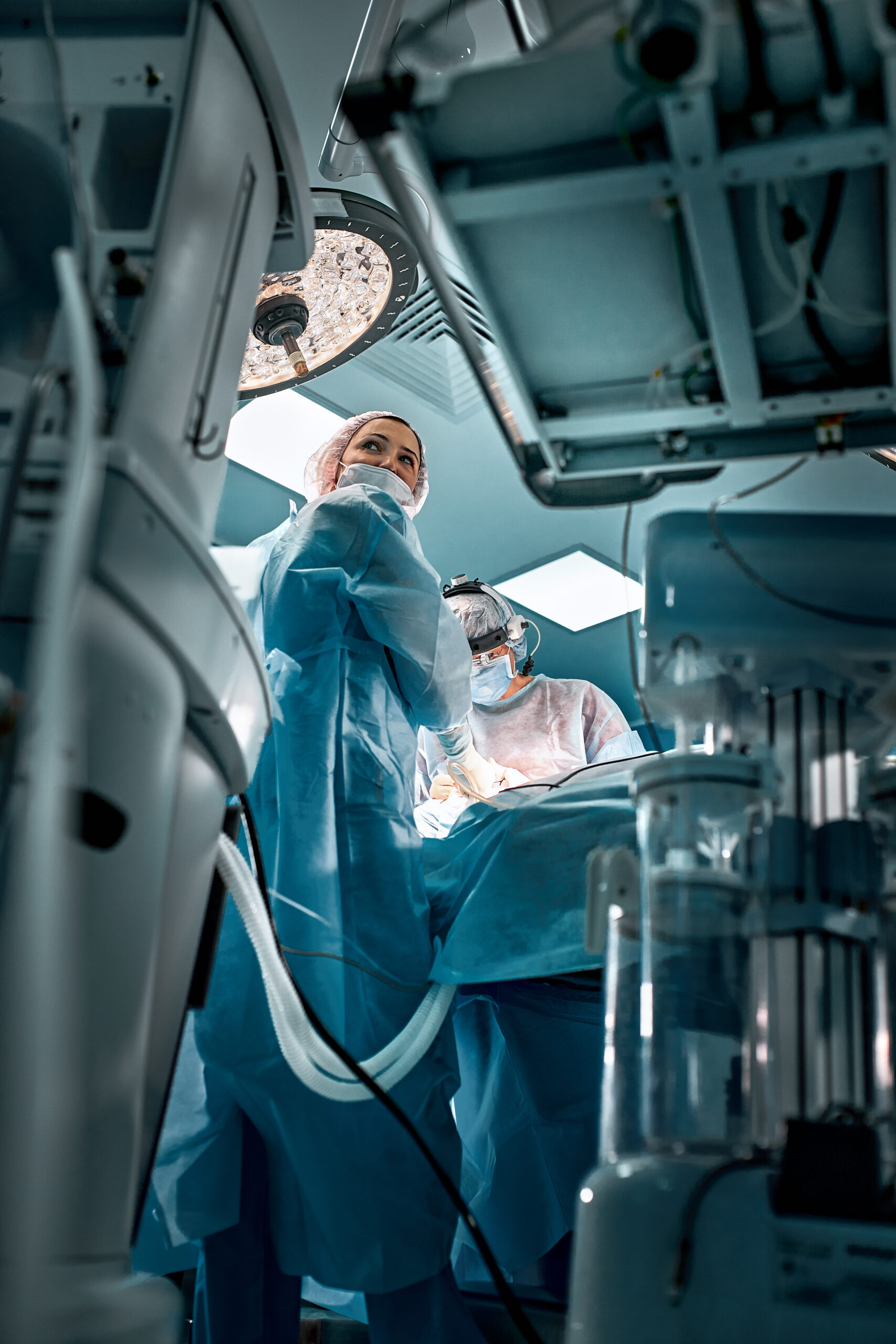
A doctor demonstrating arthroscopic surgical techniques on an anatomical model
Minimally Invasive

Arthroscopy

A small camera (arthroscope) inserted through tiny incisions to diagnose and treat joint problems. Commonly used for knee (meniscus tears, ACL), shoulder (rotator cuff, labrum), and occasionally ankle, wrist, or hip. Outpatient — you go home the same day.

Book a consult
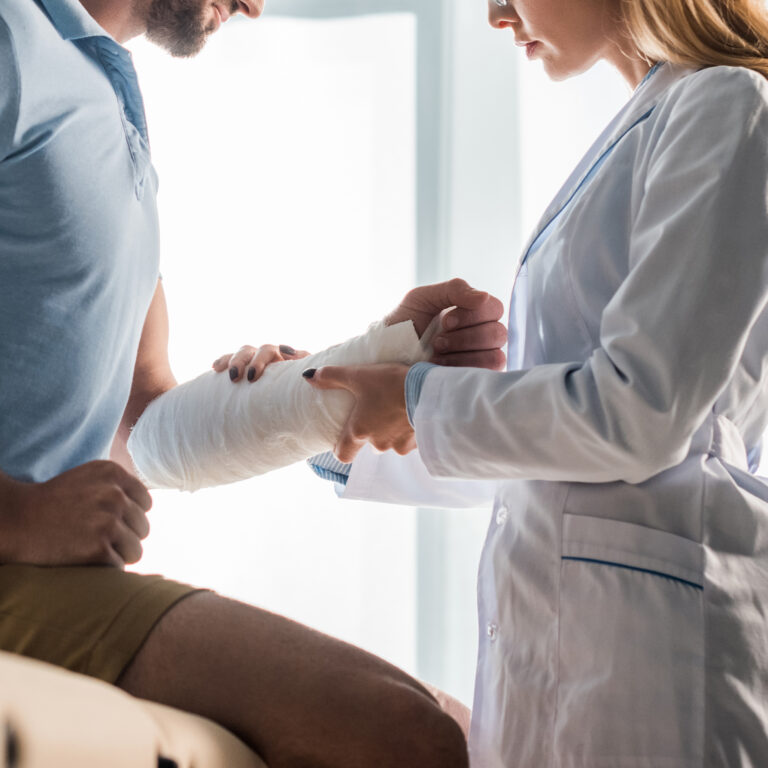
A patient with a wrapped joint, related to ACL reconstruction recovery
Knee

ACL Reconstruction

Minimally invasive ACL reconstruction via arthroscopy. A graft from your hamstring, patellar tendon, or a donor creates a new ligament, secured with screws. Outpatient with a leg brace; rehab begins right away. Full return to sports in 6–9 months.

Book a consult
A doctor evaluating a patient's shoulder for rotator cuff issues
Shoulder

Rotator Cuff Repair

For large or non-improving tears, arthroscopic rotator cuff repair re-anchors the torn tendon to the bone with suture anchors. Outpatient procedure with sling for 4–6 weeks, followed by PT. Significant pain relief and improved function after a few months of rehab.

Book a consult
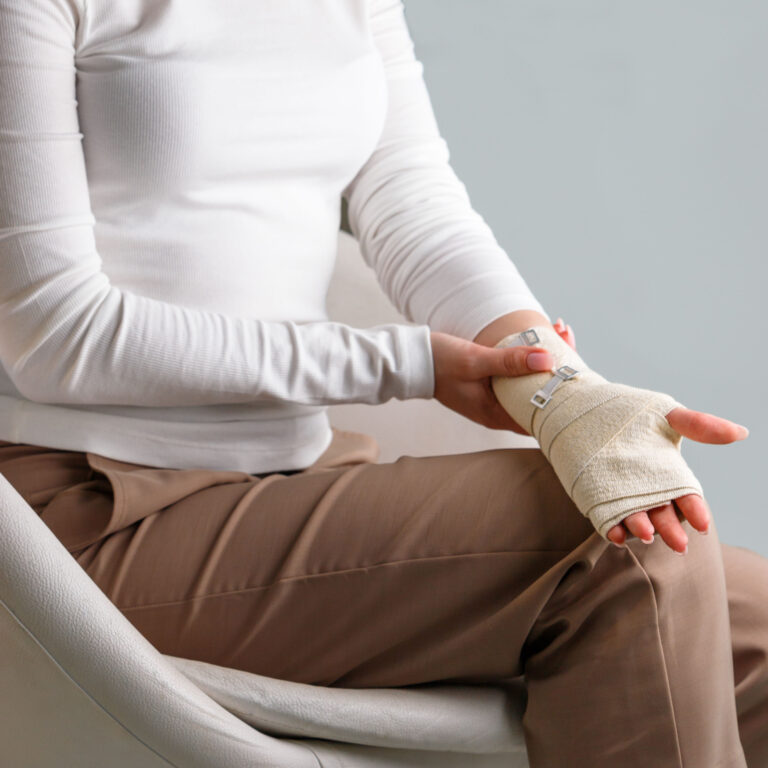
An orthopedist examining an injured hand
Fracture Care

Fracture Repair (ORIF)

Open Reduction and Internal Fixation: realign the broken bone and secure with plates, screws, or rods. Commonly used for hip, wrist, ankle, and shoulder fractures. Most bones heal in 6–8 weeks; hardware typically stays in permanently.

Book a consult
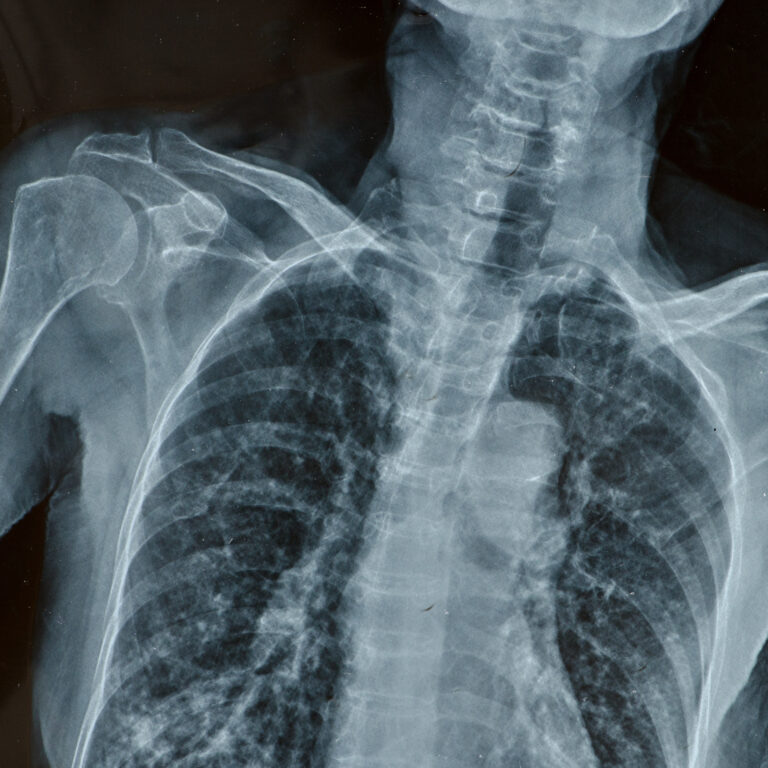
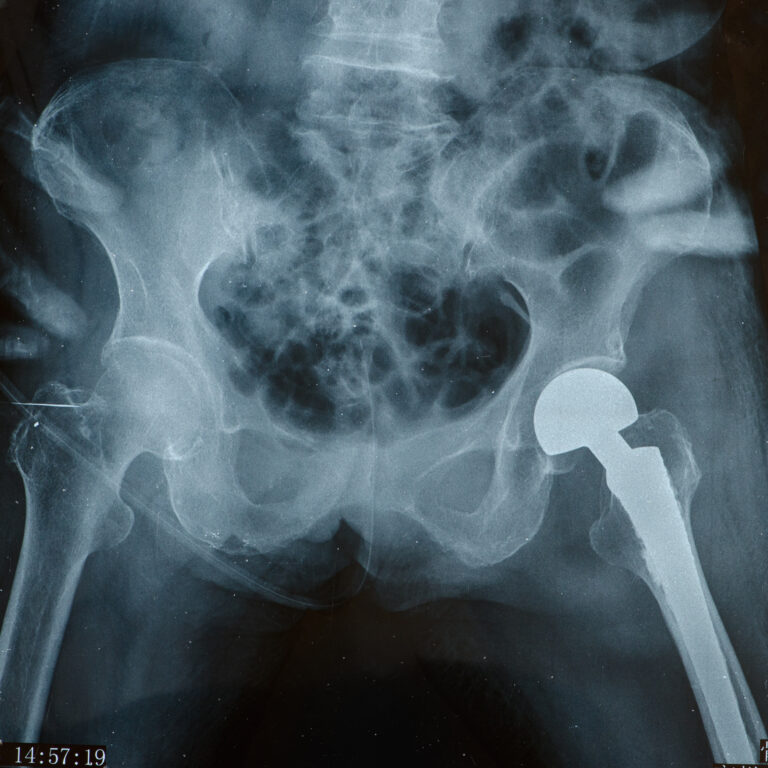
X-rays showing joint replacement hardware
Replacement

Joint Replacement (Arthroplasty)

For severe arthritis when joint-preserving treatments aren’t enough. Shoulder replacements performed in-house; we coordinate with trusted partners for knee and hip. Damaged bone is replaced with metal, ceramic, or plastic components. Excellent pain relief and improved mobility.

Book a consult
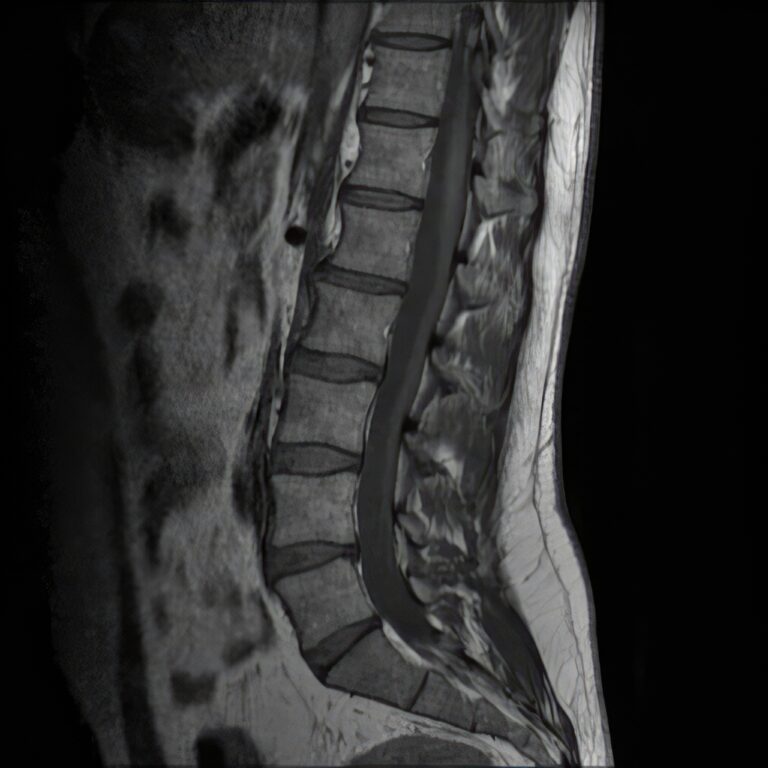
MRI showing healthy lumbar spine
Spine

Spine Surgery (Orthopedic Approach)

Discectomies, laminectomies, spinal fusions, and artificial disc replacements. Artificial disc replacement in the neck may be recommended instead of fusion to preserve mobility. Minimally invasive techniques whenever possible — smaller incisions, muscle-sparing.

Book a consult
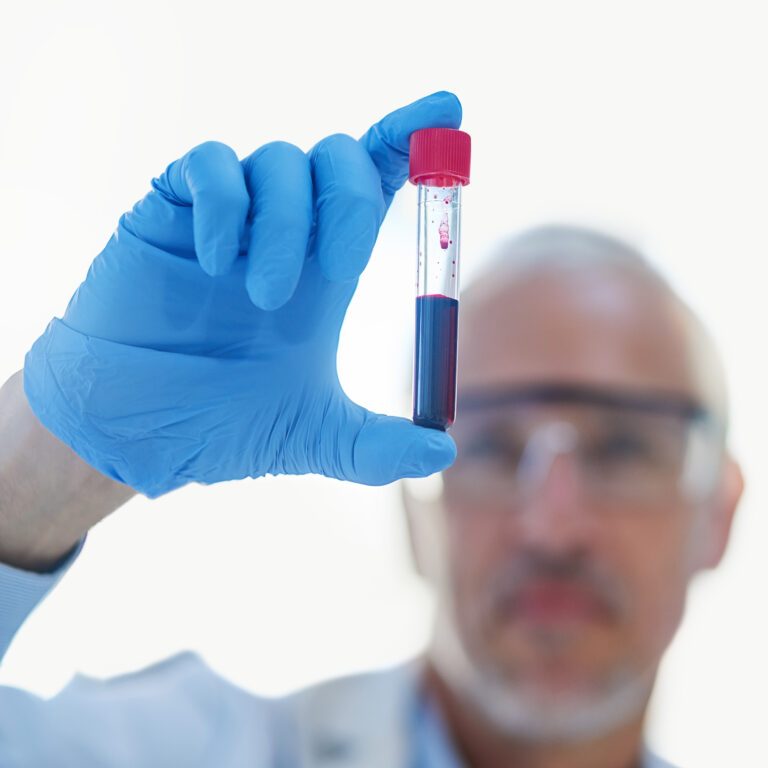
A surgeon preparing PRP from blood samples
Non-Surgical

PRP & Other Injections

Platelet-Rich Plasma injections using your own blood growth factors — for chronic tennis elbow, knee arthritis, or tendon issues. We also provide corticosteroid joint injections (shoulder, knee) for pain relief, often alongside therapy.

Book a consult
A clinician with a stethoscope during patient evaluation
In-Office

Casting, Splinting & Bracing

Not everything needs an operation. We do plenty of fracture care with casts or splints (many wrist fractures, small finger or toe fractures, etc.), and provide bracing for sprains or chronic conditions (knee braces for arthritis, ankle braces for instability).

Book a consult
Every procedure is performed with the utmost care for your comfort. Most treatments are done with appropriate anesthesia and pain control. We explain the process beforehand so you know what to expect — what the surgery entails, how to prepare, and what recovery will look like.
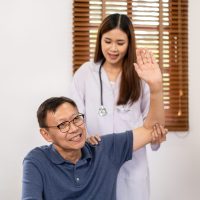
A physical therapist helping a patient with arm rehabilitation
OneTreeHealth team providing the best quality orthopedic care
Recovery & Rehab

Healing happens with the right rehab.

Multimodal pain control

We focus heavily on keeping you comfortable. Nerve blocks (numbing the area for hours or a day), anti-inflammatories, acetaminophen, icing, and carefully prescribed opioids for breakthrough pain — layered together to manage post-op discomfort effectively.

Physical therapy that fits

Therapy timing and frequency vary. ACL reconstruction often means PT 2–3 times per week for 3–4 months. Simple arthroscopy might need only a few sessions. Rotator cuff repair typically starts therapy a couple weeks post-op for 2–3 months. PT is often as important as the surgery itself.

Back to driving & activities

When you can drive depends on which side and how mobile you are — usually a few weeks after right knee surgery, 1–2 weeks after left (with an automatic). After shoulder surgery, wait until you’re out of the sling and have control. We’ll give you personalized guidance.

Find Our Location
Common Questions

Orthopedic surgery, answered.

Do I really need surgery, or can I heal on my own?

Many orthopedic issues can heal or improve without surgery. We always assess if conservative treatments could work first. For example, a small meniscus tear might be managed with rest, meds, and therapy. Fractures often heal in casts without surgery if well-aligned and stable. We recommend surgery when we believe it’s truly the best way to fix the problem or when non-surgical methods have failed.

If you’re unsure, ask about a trial of non-operative care. We can often set a timeframe — like “let’s try 6 weeks of therapy, and if the shoulder is still dislocating, then consider surgery.” We don’t operate unless it’s necessary for your recovery or relief.

What are the risks of orthopedic surgery?

All surgeries carry some risks. General risks include infection (we give antibiotics around surgery), bleeding (usually minimal), blood clots (we use blood thinners or early mobilization for leg surgeries), and anesthesia risks. Specific risks: rotator cuff repairs can rarely re-tear, fracture surgeries can rarely have non-union, and nerve or blood vessel injury is rare but possible.

We’ll go over the particular risks of your surgery with you beforehand. With modern techniques and skilled surgeons, complication rates are quite low. Keep in mind, not treating an injury also has risks — a torn ACL left unfixed can lead to instability and further damage.

Will I be in a lot of pain after surgery?

We focus heavily on pain management. We use multimodal pain control: nerve blocks (which can numb the area for hours or a day), anti-inflammatory meds, acetaminophen, icing, and carefully prescribed opioids for breakthrough pain. Elevation and rest help with swelling, which helps pain.

Patients often find pain is manageable and improves significantly within a few days. For joint replacement or larger surgeries, pain might be more — PT and medications work together to control it. We’ll ensure you have adequate pain relief before sending you home. Pain is expected to some degree, but our goal is to keep it at a tolerable level.

How long until I can drive after surgery?

It depends on the surgery and which side. General rule: you can drive when you’re no longer on narcotic pain meds AND you can operate the vehicle safely. After a right knee surgery, usually wait at least a few weeks. After left knee surgery with an automatic car, you might drive in 1–2 weeks if off pain meds. For shoulder surgery, wait until you’re out of a sling and can use that arm in front of you.

We’ll give you personalized guidance. Safety is key — you must be confident you can react normally to drive. Never drive under the influence of pain medications stronger than Tylenol or ibuprofen.

Will I need physical therapy? How often and for how long?

In many cases, yes. For ACL reconstruction, PT is often 2–3 times per week for 3–4 months. For a simple arthroscopy (like trimming a meniscus), you might only do a few sessions. For rotator cuff repair, therapy usually starts a couple weeks after surgery and goes for 2–3 months. Fractures that were casted often need some PT after the cast comes off.

You are a big part of therapy success — doing your home exercises significantly influences your outcome. PT is often as important as the surgery itself for a good result. We’ll prescribe what’s appropriate and adjust the plan as you progress.

A physical therapist helping a OneTreeHealth patient with rehabilitation
Take the Next Step

Ready to move better and hurt less?

Our Orthopedic team is dedicated to helping you heal fully and get back to an active life. We’ll evaluate your condition and craft a plan that fits your goals — whether it’s conservative care or surgical repair.