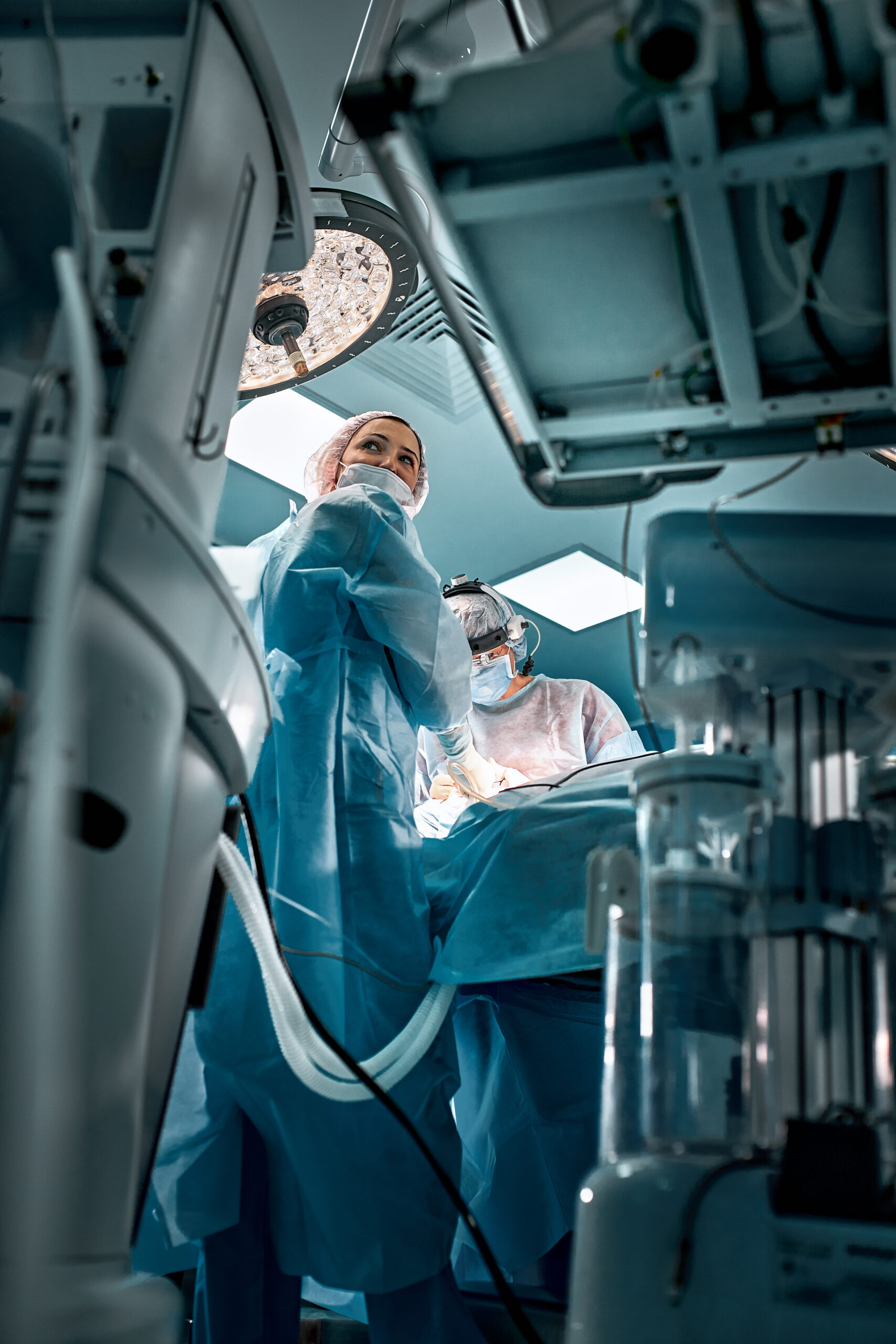
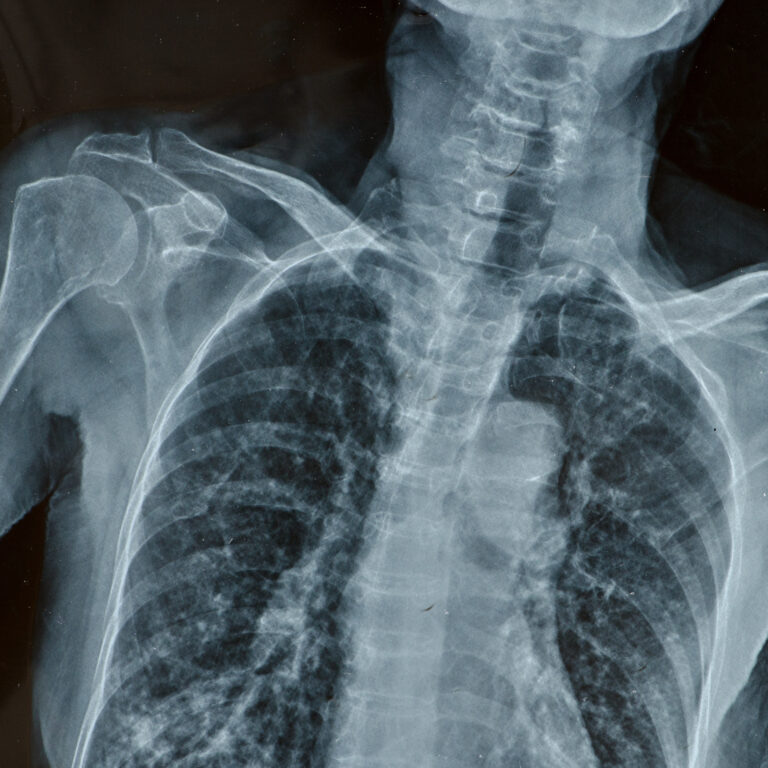
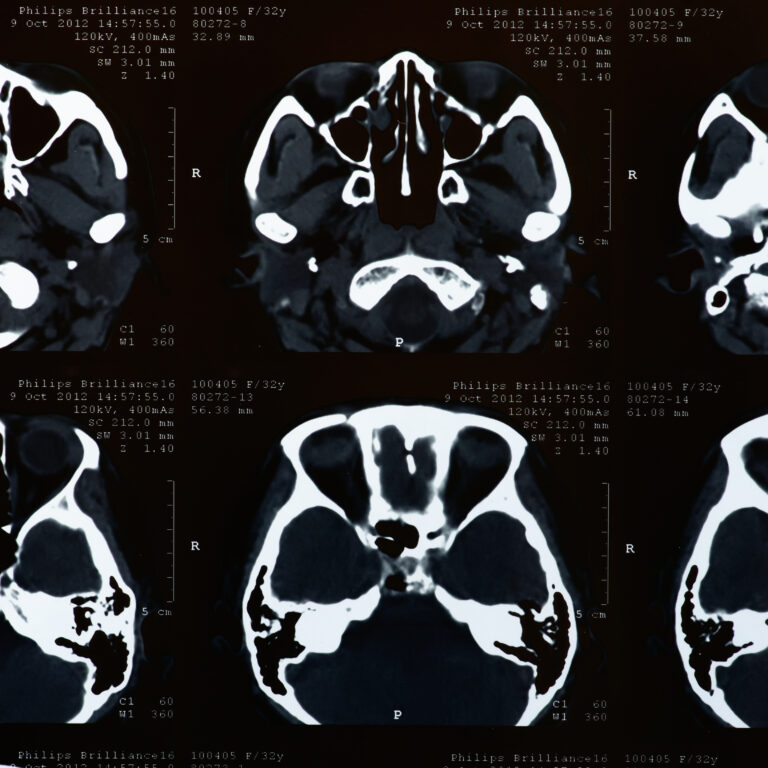
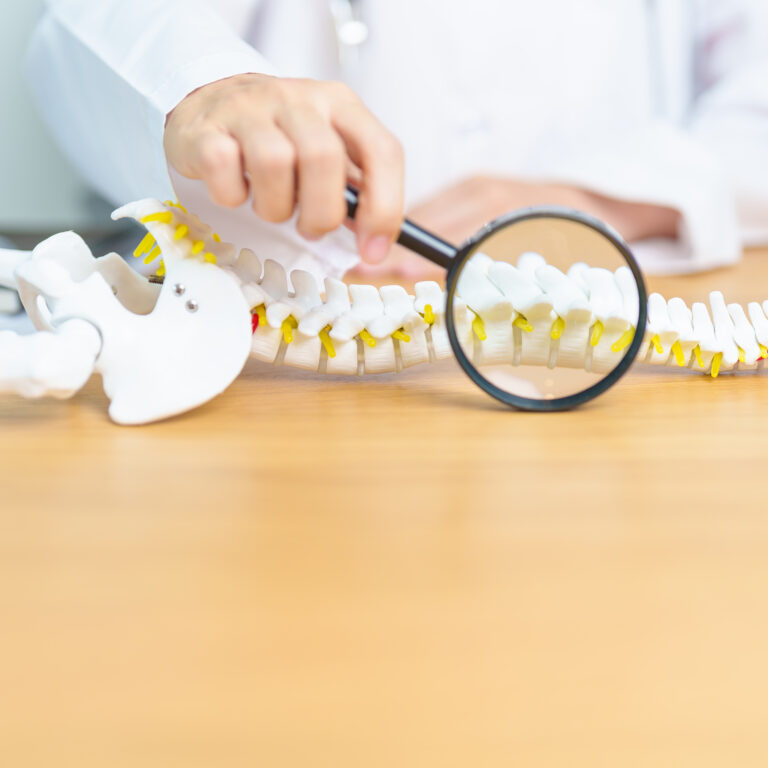
When surgery is the best path to healing, you want skilled hands and a steady, patient-first plan. Our neurosurgery team delivers advanced surgical care for the brain, spine, and nervous system — with the least invasive approach possible, and clear communication every step of the way.
Smaller incisions. Less pain. Faster recovery. Our surgeons use endoscopes, microscopes, and image-guided navigation to keep procedures as gentle as the diagnosis allows.
Our neurosurgeons take a conservative-first approach, advanced techniques when surgery is the right path, and a multi-specialty team to support recovery.
Conservative first
We only recommend surgery when it's clearly the best path. Non-surgical options like medication, PT, and injections come first whenever they're a real fit for your condition.
Advanced techniques
Microsurgical instruments, stereotactic navigation, endoscopes, and minimally invasive approaches — so smaller incisions, less pain, and faster recovery.
Team-based recovery
Your care doesn't end at the procedure. We work with pain management, neurology, and physical therapy specialists in-house — so your full recovery happens under one roof.
About Our Neurosurgery Care
Surgical excellence with compassion.
While neurosurgery may sound intimidating, our approach is patient-centered and personal. We combine surgical excellence with compassion, guiding you and your family through every step of the journey.
Whether you’re dealing with a herniated disc that requires a minimally invasive spine procedure or facing a complex brain tumor, our neurosurgeons use advanced techniques and technology to achieve the best possible outcomes — with the least invasive approach necessary.
At OneTreeHealth, you’re not just a case — you’re a person. From your initial evaluation to post-surgical recovery, our team is committed to treating you with empathy, respect, and dedication.
Our neurosurgery team addresses a wide array of conditions affecting the brain, spine, and nervous system. Here are the most common reasons patients are referred to us.
Spinal Disc Problems
Herniated disc in the neck or back causing pain, numbness, or weakness — treated with microdiscectomy and other targeted approaches.
Spinal Stenosis
Narrowing of the spinal canal compressing nerves. Laminectomy creates space, relieves pressure, and restores mobility.
Spinal Instability
Spondylolisthesis and severe degeneration treated with instrumented spinal fusion — restoring stability and preventing further nerve risk.
Brain & Spinal Tumors
Benign and malignant tumors treated with microsurgical techniques and GPS-like neuronavigation to preserve function.
Traumatic Injuries
Head injuries with brain bleeding or spine fractures — craniotomies and stabilization, with hospital privileges to handle emergencies.
Hydrocephalus
Fluid accumulation in the brain's ventricles, managed with shunt placement or endoscopic third ventriculostomy (ETV) to relieve pressure.
Peripheral Nerve Entrapments
Carpal tunnel, ulnar nerve compression, and other peripheral nerve issues surgically relieved through neurolysis when conservative care fails.
Trigeminal Neuralgia
Severe facial pain unresponsive to medication — treated with microvascular decompression or targeted radiofrequency lesioning.
Procedures & Services
Advanced techniques, least invasive first.
Our neurosurgeons are proficient in the latest surgical procedures — here are the key services we provide, along with what they involve.
Spine
Microdiscectomy (Discectomy)
A minimally invasive spine surgery to remove a portion of a herniated disc pressing on a nerve. Small incision (often less than 1 inch), specialized instruments and a microscope. Often provides immediate relief of sciatica or arm pain. Typically outpatient or one-night stay.
For spinal stenosis, we remove the back part of the vertebra (lamina) and thickened ligament to create more space for the spinal cord and nerves. A foraminotomy may be done at the same time. Most patients stay overnight and are walking the next day.
When spinal stability is a concern or in severe degenerative disc disease — screws, rods, and often bone grafts join vertebrae together. Common examples include lumbar fusion for spondylolisthesis or ACDF for cervical disc issues. Often performed minimally invasively.
Temporary removal of a section of skull to access the brain — for tumor removal, aneurysm clipping, brain bleeds, or pressure relief after injury. Advanced monitoring and navigation tools ensure safety. Patients typically stay a few days in the hospital.
Whenever possible, smaller incisions, endoscopes, tubular retractors, and tools like lasers or ultrasonic aspirators. Examples include endoscopic pituitary tumor removal through the nose and minimally invasive lumbar decompressions or fusions.
Computer-guided navigation — like GPS for the brain — precisely targets areas for biopsy or surgery. Especially helpful for small or deep brain tumors. Combined with real-time imaging, it enhances both the safety and effectiveness of procedures.
Your care doesn't end after surgery. We work closely with pain management to control discomfort while minimizing opioid use, and with physical therapists to guide safe, effective recovery — especially after spine surgery. Brain surgery patients work with OT and speech as needed.
Every procedure is performed with the utmost care for your comfort. We explain the process beforehand so you know what to expect. Most treatments are done with appropriate anesthesia, and we balance pain control with minimizing opioid use. Your comfort and questions are always our priority throughout your care.
Recovery & After-Care
Healing doesn't end at the procedure.
Managing post-surgical pain
Some discomfort is normal — but we manage it proactively. IV and oral medications, local anesthetics, and non-medication strategies like ice, rest, and gradual movement. Many patients notice immediate relief from their original nerve pain after a successful decompression. You won't be left to suffer.
Rehab & physical therapy
In most cases, rehab is part of the recovery process. For spine surgery, we start light walking right away, then physical therapy after a couple of weeks to rebuild strength and flexibility. After brain surgery, we arrange physical, occupational, or speech therapy as needed.
Getting back to normal
Recovery timelines vary. For a lumbar microdiscectomy, some return to light desk work in 2–3 weeks. Spinal fusion may take 3–6 months for full activity. After craniotomy, many take 4–6 weeks. We'll guide your timeline based on your progress — safely, not rushed.
Is surgery my only option, or are there alternatives?
Surgery is generally reserved for when non-surgical treatments haven’t worked or when a condition is urgent or critical. Before recommending surgery, we ensure you’ve been evaluated for conservative options — medications, physical therapy, injections — unless the situation (like a tumor or severe compression) clearly needs surgery first.
We discuss all options with you. If there’s a viable non-surgical route, we often try that first in collaboration with our pain management and neurology teams. We only proceed to surgery if it’s truly the best or only way to help you.
What are the risks of neurosurgery?
All surgeries carry some risk, and neurosurgery can be complex. Risks depend on the specific procedure but may include bleeding, infection, reactions to anesthesia, or damage to surrounding structures. Spine surgery risks include a small chance of nerve injury or spinal fluid leak; brain surgery risks could include stroke or weakness, depending on the area.
Serious complications are uncommon, and our team takes every precaution — meticulous technique, modern monitoring, sterile protocols. We’ll review the possible risks and complications with you in detail for your specific surgery. Keep in mind, not treating a serious condition can also carry risks — we balance these considerations carefully.
Will I have a lot of pain after surgery?
Some discomfort is normal, but we manage pain proactively. In the hospital, you’ll have access to IV and oral medications as needed. For spine surgeries, we often use local anesthetics around the incision and may prescribe muscle relaxers if spasms occur. Many patients notice immediate relief from their original nerve pain after a successful decompression.
You’ll go home with appropriate pain medication — usually a short course of an oral opioid, transitioning to Tylenol or ibuprofen as appropriate. We also emphasize non-medication strategies like ice, rest, and gradual movement. You will not be left to suffer — we’re here to adjust the plan if you’re hurting.
Will I need physical therapy or rehab after surgery?
In most cases, yes — rehab is part of the recovery process. For spine surgeries, we usually start light walking right away, followed by physical therapy after a couple of weeks to rebuild strength and flexibility. After brain surgery, if there are neurological issues, we’ll arrange physical, occupational, or speech therapy — often starting in the hospital and continuing as outpatient care.
Even if you’re feeling well, a guided exercise program can speed recovery. Our team works closely with rehab professionals to tailor the right plan for you.
How soon can I get back to normal activities or work?
This depends on the type of surgery and your personal recovery. For a straightforward lumbar microdiscectomy, some patients return to light desk work in 2–3 weeks and full activities in 6–8 weeks, avoiding heavy lifting for about 3 months. For a spinal fusion, returning to full activities may take 3–6 months. After a craniotomy, many people take about 4–6 weeks off work.
Generally, we advise no heavy lifting (over 10–15 lbs), strenuous exercise, or driving until cleared during follow-up. Everyone heals at their own pace — we’ll monitor your recovery and advise based on your progress. Our goal is to get you safely back to normal life, not to rush and risk setbacks.
The timelines and outcomes described on this page are general estimates and vary from person to person. Nothing here is medical advice or a promise of results — your surgeon will discuss what to expect in your specific case.
Take the Next Step
Facing neurosurgery? You're not alone.
Our team is here to support you every step of the way and help you achieve the best possible outcome. If you have concerns or are seeking a second opinion about a neurosurgical issue, we encourage you to consult with us.