Your nervous system controls everything you do, think, and feel. When something isn't right — headaches, seizures, numbness, memory changes — our neurology team is here to listen, diagnose, and guide you back to feeling like yourself.
What makes our approach different — and why patients across Tennessee come to OneTreeHealth when something neurological isn't right.
Coordinated, multi-specialty
Our neurologists collaborate directly with pain management, neurosurgery, and orthopedic teams — so your care plan is built together, not in silos.
In-office diagnostics
EMG, EEG, lumbar punctures, balance testing — most of what you need is performed right here, so you skip the referrals and start treatment sooner.
The latest therapies
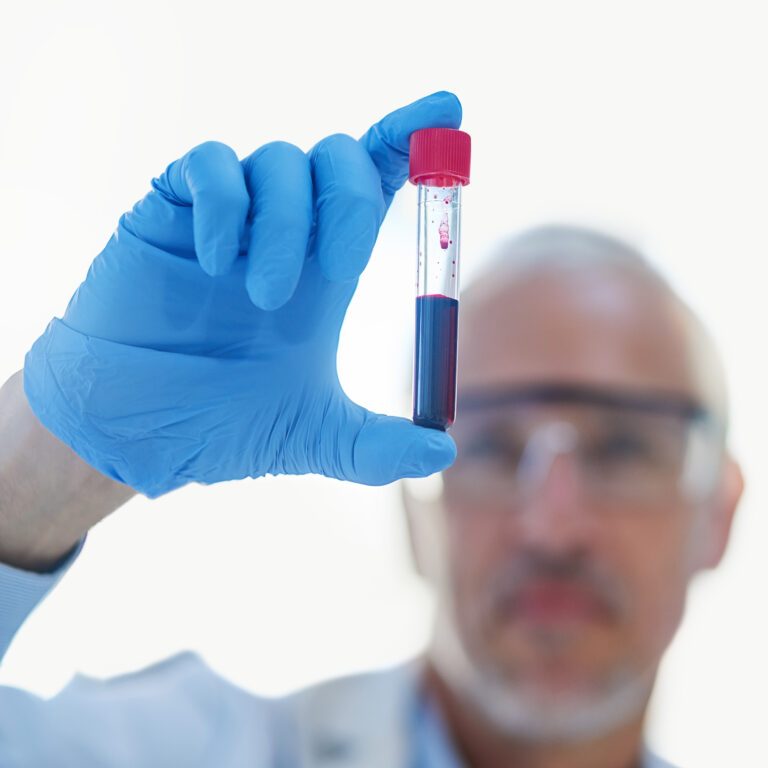
Botox and CGRP for chronic migraine. Advanced TBI blood testing for concussion. We bring the modern toolkit, not just the textbook.
About Our Neurology Care
A clearer path through complex symptoms.
Our Neurology specialists at OneTreeHealth are here to help you regain control and improve your quality of life. We provide compassionate, expert care for neurological conditions in a patient-focused environment.
From the first appointment, you’ll find that we listen carefully — to your symptoms, your concerns, and how your condition affects your day-to-day. Neurological issues can be complex, but we explain everything clearly and involve you in developing a personalized treatment plan.
Our goal is to help you get back to living fully, with your symptoms well-controlled.
Our neurology clinic handles a broad range of conditions affecting the brain, spinal cord, and nerves. Here are the most common reasons patients see us.
Headache & Migraine
Chronic headaches, migraines, tension, cluster. From trigger identification to Botox and CGRP inhibitors.
Neuropathy & Nerve Disorders
Numbness, tingling, or weakness in hands and feet — including carpal tunnel and peripheral neuropathy.
Back & Neck Pain
Sciatica, radiculopathy, and mild spinal stenosis — managed conservatively before considering surgery.
Seizure Disorders & Epilepsy
EEG testing, seizure-type identification, medication tuning, and coordination with neurosurgery when needed.
Stroke & TIA Follow-up
Long-term care to prevent future events — medication management, risk monitoring, and rehab coordination.
Movement Disorders
Parkinson’s, essential tremor, restless legs — medication, exercise guidance, and DBS referrals when appropriate.
Multiple Sclerosis
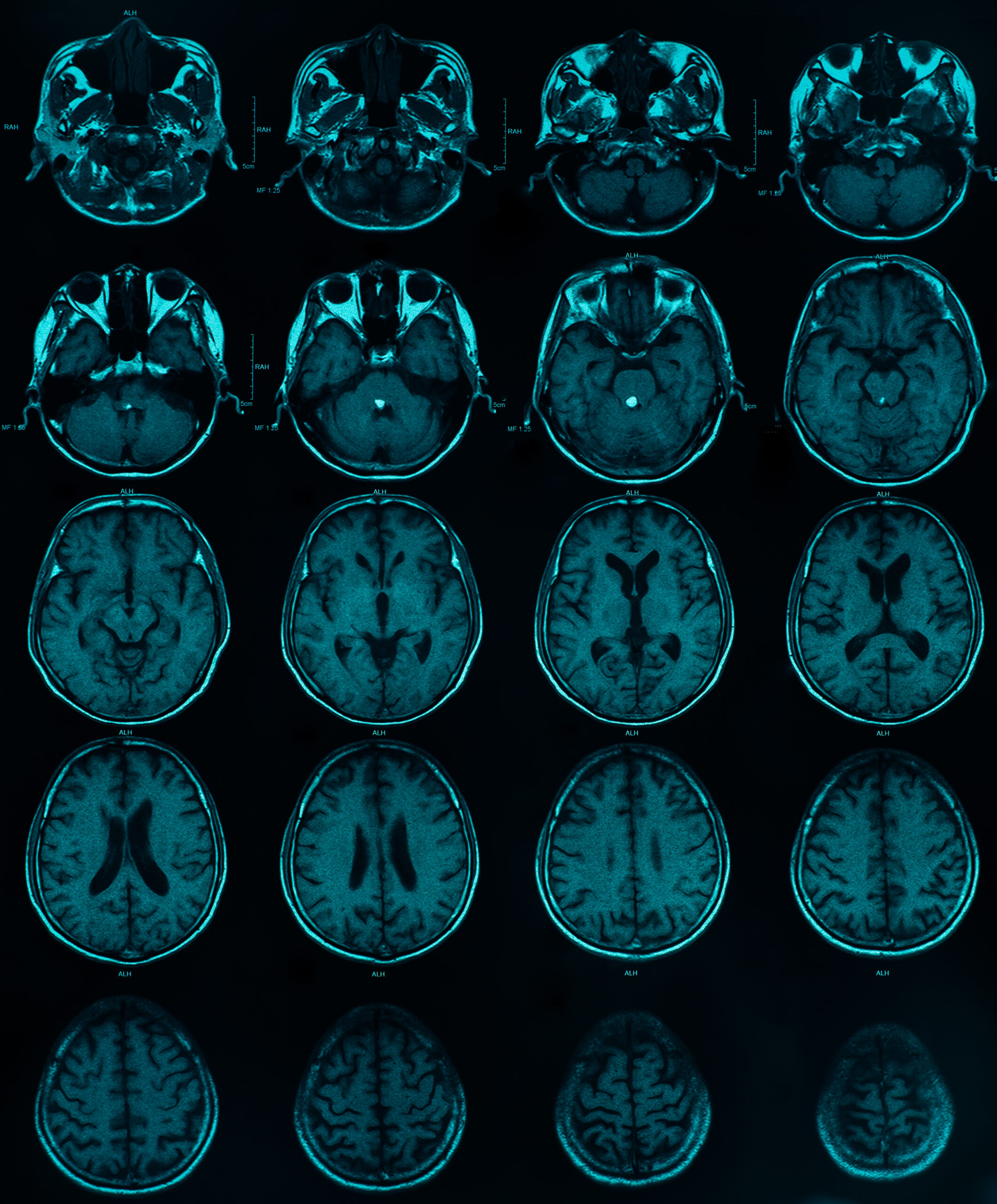
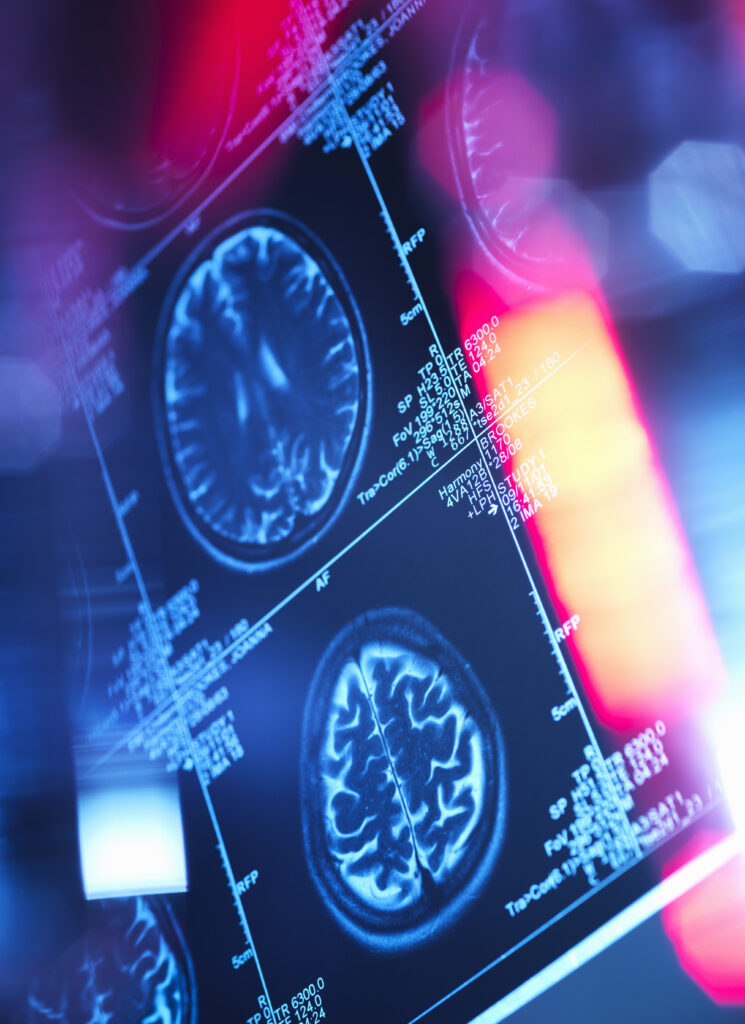
Diagnosis via clinical exam and MRI, plus ongoing management with disease-modifying therapies.
Brain Injury & Concussion
Concussion and post-concussion care, with advanced blood-test screening for brain injury markers.
Balance & Vestibular
Dizziness, vertigo, balance issues — tested in-office with the Dix-Hallpike maneuver and treated with the Epley.
Cognitive Disorders
Memory loss and cognitive decline evaluation — early diagnosis of dementia and Alzheimer’s with family guidance.
Sleep Neurology
Initial screening for narcolepsy, REM behavior disorder, and coordination of sleep studies with specialists.
Diagnostic Tests & Treatments
Modern neurology, done in-office.
Most of the tests and treatments you need can be done right here at OneTreeHealth — with detailed explanations every step of the way.
Electrodiagnostic
EMG & Nerve Conduction Studies
Evaluates the health of your muscles and nerves to distinguish between peripheral neuropathy, radiculopathy (a pinched nerve), and muscle diseases. Commonly used for numbness, tingling, weakness, and carpal tunnel.
Records your brain’s electrical activity using small scalp electrodes. Painless and commonly used to evaluate seizures or unexplained episodes of unconsciousness. Outpatient, prolonged, and sleep-deprived versions available.
More than just medications. Occipital nerve blocks, Botox injections for chronic migraine, lifestyle and trigger guidance, and a personalized action plan with rescue options for severe attacks.
When needed for diagnosis — suspected meningitis, multiple sclerosis — performed in-office with local anesthesia. Well-tolerated, with steps taken to minimize the most common side effect (post-LP headache).
Clinical balance assessments using the Dix-Hallpike maneuver to diagnose BPPV — and the Epley maneuver to treat it. For complex cases, we coordinate specialized videonystagmography testing.
In-office cognitive screening for memory and thinking concerns. When needed, we refer for detailed neuropsychological testing to help differentiate types of dementia or better understand cognitive issues.
An advanced blood test for concussion that detects key brain injury biomarkers like GFAP and UCH-L1, helping determine if further imaging is needed within the first 24 hours. Results in ~15 minutes.
Platelet-Rich Plasma injections made from your own blood, concentrated with healing platelets and injected into the affected area — for chronic tendon injuries or arthritis where a natural option fits.
Every procedure is performed with the utmost care for your comfort. We explain the process beforehand so you know what to expect. Most treatments are done with local anesthesia, and mild sedation can be used if needed. Your comfort and questions are always our priority throughout your care.
What to Expect
From first visit to follow-up.
The first visit
Expect a thorough history of your symptoms and a non-invasive neurological exam — checking cranial nerves, muscle strength, reflexes, sensation, coordination, and walking. Bring a symptom diary if you have one; small details often provide big clues.
Tests, if needed
Based on the initial evaluation, we may order bloodwork, imaging (like an MRI), or electrodiagnostic tests. We’ll always explain why. In many cases, if the issue is straightforward, we can diagnose and start treatment the same day.
Follow-up care
For chronic conditions like epilepsy or MS, we’re long-term partners in monitoring. For acute or resolved issues, you may “graduate” from regular visits once things are stable — but you’re always welcome to return if needed.
An EMG/Nerve Conduction Study evaluates the health of your nerves and muscles. If you have numbness, tingling, weakness, or muscle cramping, it helps determine if a nerve is pinched or damaged, and where — for example, confirming carpal tunnel syndrome or detecting a pinched nerve in your neck or back causing arm or leg symptoms. We perform EMG/NCS right in our office and review results with you. Typically completed in 30–60 minutes.
I have frequent migraines — can you really help? I feel like I’ve tried everything.
Yes. Beyond standard medications, we can offer Botox injections (FDA-approved for chronic migraine prevention) and newer CGRP monoclonal antibody shots that have helped many migraine patients reduce their headache days. We also review what you’ve tried, optimize dose and combinations, and look at triggers and lifestyle factors. Many patients who’ve “tried everything” find relief with newer options or a fresh comprehensive approach.
My doctor says I have a “pinched nerve” in my neck causing arm pain. Do I see neurology or neurosurgery?
That depends on severity. Often, the first stop is neurology — we can confirm the diagnosis with an EMG and imaging, then manage it with medications, physical therapy, and (if needed) a pain management injection referral. If those measures don’t help and there’s a confirmed significant disc herniation or bone spur, we refer to our neurosurgeon. Either starting point is okay; we’ll ensure you get the right treatment.
What is the TBI blood test and should I get one after a head injury?
The TBI blood test measures two proteins (GFAP and UCH-L1) that are released into the blood after brain injury. It’s typically used within 24 hours of a head trauma to help determine if a CT scan is likely to show brain tissue injury. Results in about 15 minutes. It can sometimes reduce the need for unnecessary CT scans. We recommend it especially if we’re on the fence about imaging or want to confirm a diagnosis.
I’m worried I might have MS. Can your clinic diagnose that?
Yes. Diagnosing MS typically involves an MRI of the brain and possibly spinal cord, blood tests to rule out MS mimics, and sometimes a lumbar puncture for specific markers. If MS is diagnosed, we’ll discuss the many effective disease-modifying therapies available and connect you with resources. Early detection and treatment make a significant difference.
The information on this page is general and educational — not medical advice, a diagnosis, or a promise of results. Test suitability and outcomes vary from person to person; your neurologist will discuss what applies in your specific case.
Take the Next Step
Take charge of your neurological health today.
Whether you’re dealing with bothersome pain, concerning symptoms, or a chronic condition that needs better control, our Neurology team is here. We combine medical expertise with compassionate care to help you feel your best.